


Climbing gear maintenance - Our Relationship with Ourselves
How many of you take exemplary care of your climbing equipment?We’re talking about ropes, climbing shoes, carabiners, locking carabiners, slings, helmets, clothing, harnesses...
Every one of us has at least one piece of equipment that we’re almost ashamed to still own. When we see it, we cringe a little and reluctantly use it, despite knowing it should have been retired long ago to that drawer labeled "long overdue."
By using equipment beyond its recommended lifespan, we risk significant damage to our personal gear, as well as the risk of a more serious fall, injury, or even death in the worst-case scenario. Excessive use can cause equipment to fail, as we’ve pushed it beyond its limits, often exceeding its intended lifespan by at least double.
User manuals are not necessarily a nuisance but rather recommendations from the manufacturer to inform us about the proper and improper use of our new gear. By ignoring these warnings, we harm ourselves the most. After all, we do care about ourselves, don’t we?
Some tips on equipment maintenance:
- Ropes: Always inspect your rope to ensure it’s still safe. Check for cuts or damage. A dirty and damaged rope is less safe and, in extreme cases, life-threatening. Store it in a bag in a dark place, away from sunlight, heat, and chemicals. Cleaning your rope is recommended. Read more about it in the following article: Cleaning of climbing ropes.
- Carabiners and locking carabiners discard them immediately if they’ve been exposed to a fall onto the ground, as micro-damage can occur that isn’t visible but significantly reduces their lifespan. If you notice any damage that you suspect is dangerous, it’s best to remove the item from use.
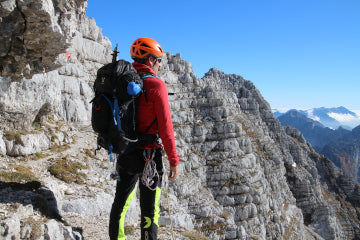
- Helmets protect our heads. They are divided into ultralight models and those with a hard outer shell and inner foam. Be careful when transporting ultralight helmets, as they are more sensitive to impacts than those with a hard shell. Avoid sticking stickers on them, as the adhesive can damage the material. Head injuries are serious, so it’s crucial to take proper care of your helmet.
- Slings always store slings carefully in a dark place, away from solvents, dyes, and other chemicals. Do not dry them in the sun, as UV rays can damage the material.
We wish you many beautiful routes, climbs, and projects with safe and technically sound equipment!
Your Gornik Team